
Lungs work without pause — taking more than 20,000 breaths a day on average — yet they rarely get the same attention as other parts of the body. For health professionals, that's a meaningful gap: lung function tends to decline gradually from age 30 onward, and the habits built now have a direct effect on quality of life decades later.
According to pulmonologists consulted by health outlets, the issue usually isn't a single isolated factor but the buildup of small exposures and habits over time: a sedentary lifestyle, poor posture, poorly ventilated spaces, and frequent exposure to urban air pollution. The good news is the same logic works in reverse — small, sustained changes also produce real gains.
The four pillars experts cite most often
- Regular movement. Moderate aerobic activity — walking, cycling, swimming — increases lung capacity and strengthens the muscles involved in breathing, such as the diaphragm.
- Cleaner indoor air. Ventilating rooms, reducing sources of smoke, and keeping plants or purifiers in enclosed spaces helps lower exposure to fine particles.
- Mindful breathing. Diaphragmatic breathing exercises, practiced for just a few minutes a day, are linked to better respiratory efficiency and lower stress.
- Posture and ergonomics. Long periods hunched over screens compress the rib cage and reduce how much the lungs can expand with each breath.
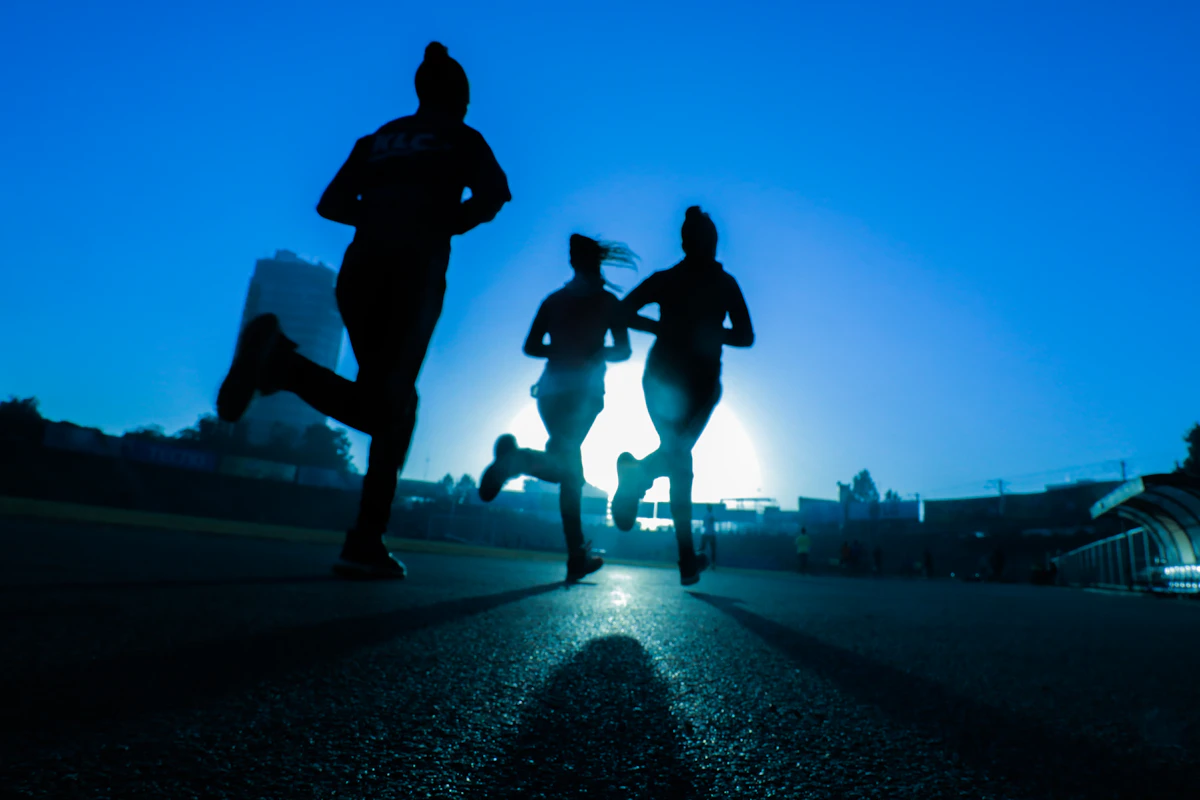
One of the points most emphasized in public health guidance is the difference between one-off care and ongoing care. A single walk or opening a window on one day has minimal effect; the benefit shows up once these habits become part of the routine — typically after weeks of consistent practice, according to exercise physiology studies.
The role of air quality
Prolonged exposure to poor air quality — whether in traffic-heavy urban centers or poorly ventilated indoor spaces — is cited as one of the most significant external factors for long-term respiratory health. Health authorities recommend tracking the local air quality index, especially on days with low atmospheric dispersion, and prioritizing outdoor activity at times and locations with lower pollutant concentrations.

In natural settings — parks, wooded areas, trails — the combination of cleaner air and light physical activity is often cited as one of the most favorable scenarios for the respiratory system, bringing together two recommended habits at once.
Signs that deserve attention
Experts stress that shortness of breath during tasks that once felt easy, a cough lasting more than three weeks, wheezing, or unusual tiredness during light activity are signs that warrant a medical evaluation — and shouldn't be written off as a normal part of aging or a busy schedule.


